I picked up an Orange Travel eSIM before heading to Sharm el-Sheikh. I went with the 100GB plan, which includes a phone number with worldwide minutes and texts — useful to have as a fallback if anything went wrong rather than relying solely on data. Usage and top-ups are handled through the Orange Travel app, which worked fine throughout the trip.
Coverage in Sharm was solid throughout. I watched it switch between Orange and Vodafone Egypt depending on where I was, which is reassuring — it’s actually picking the best available network rather than locking to one and staying there.
Speeds
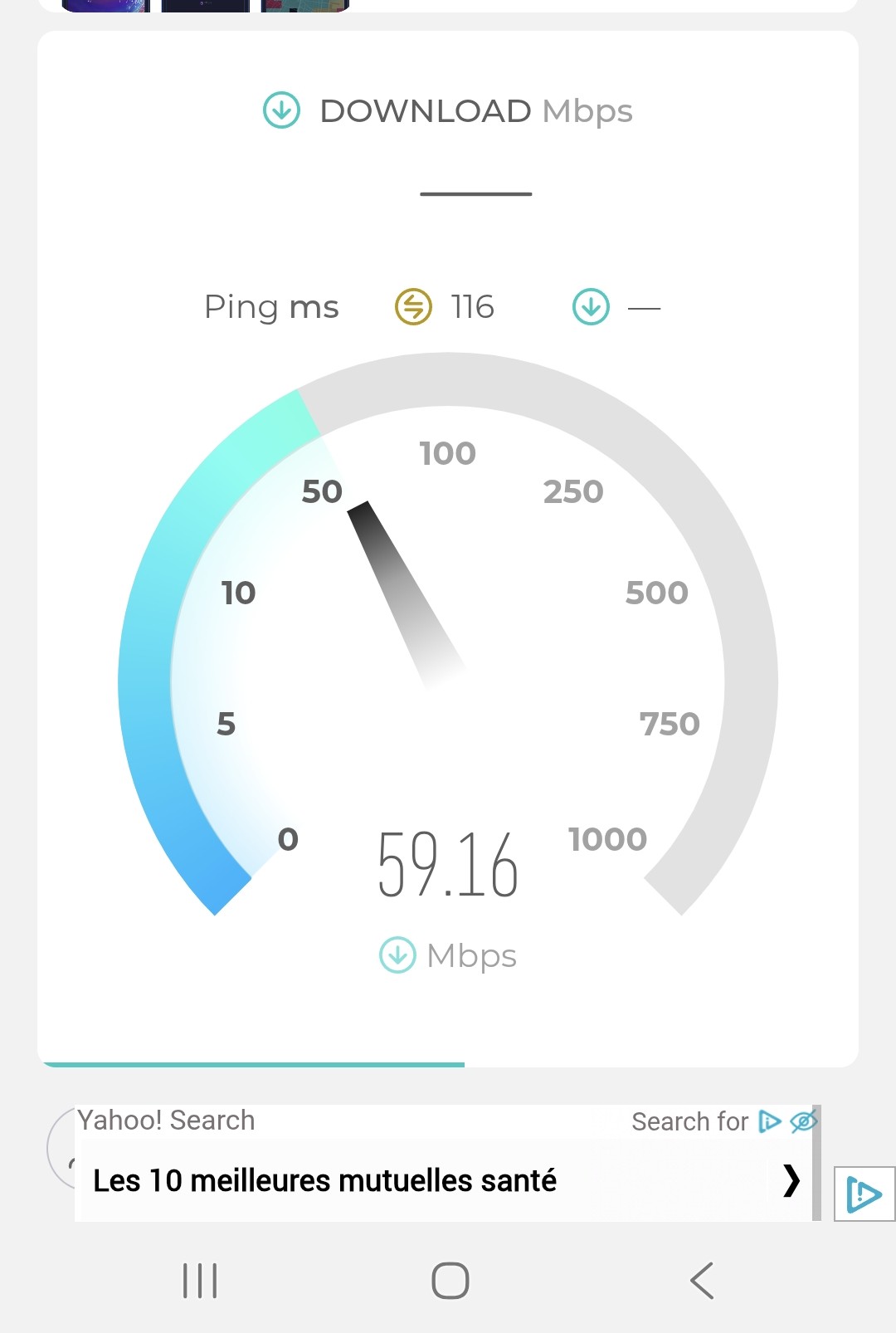
Without a VPN I was getting around 59 Mbps down on 4G+. That’s more than enough for anything practical.
Home routing and Egyptian restrictions
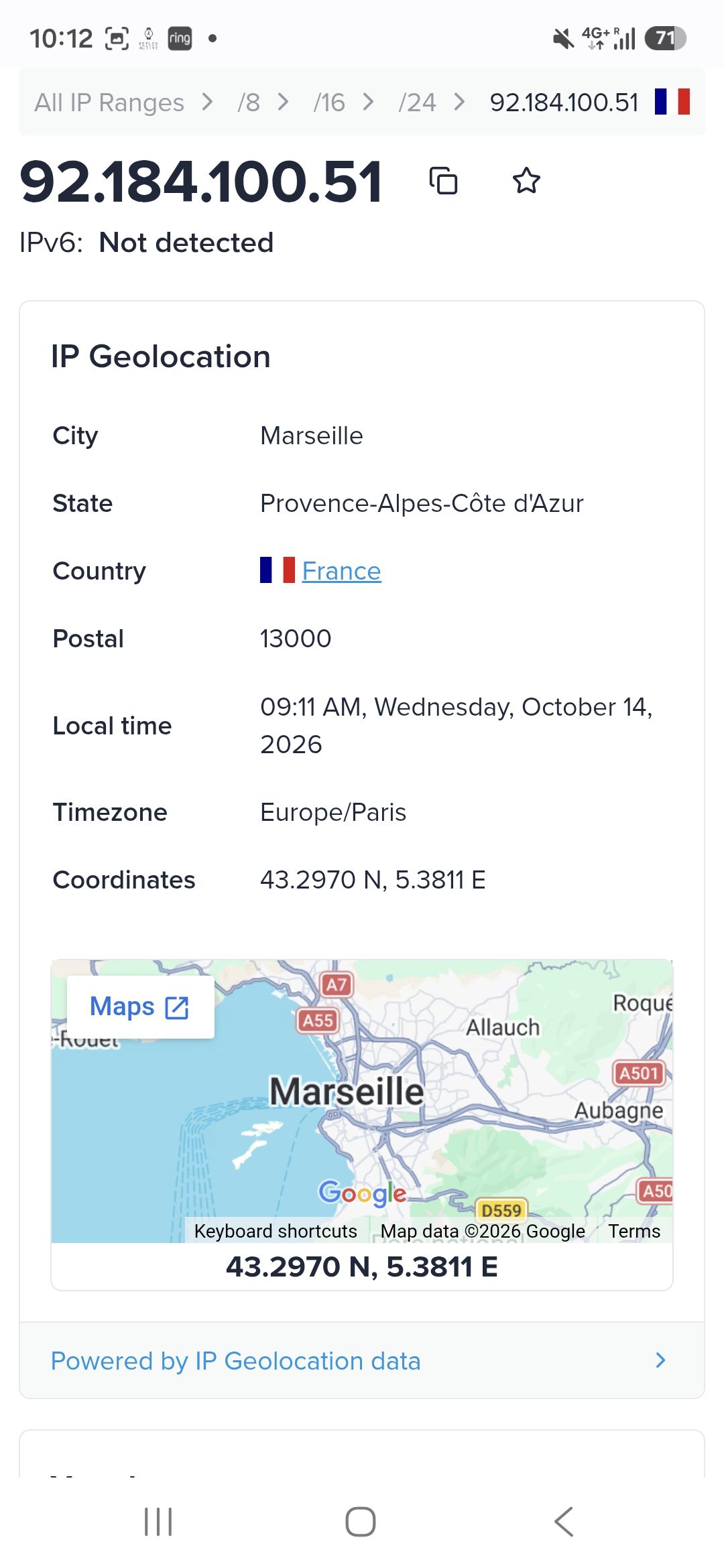
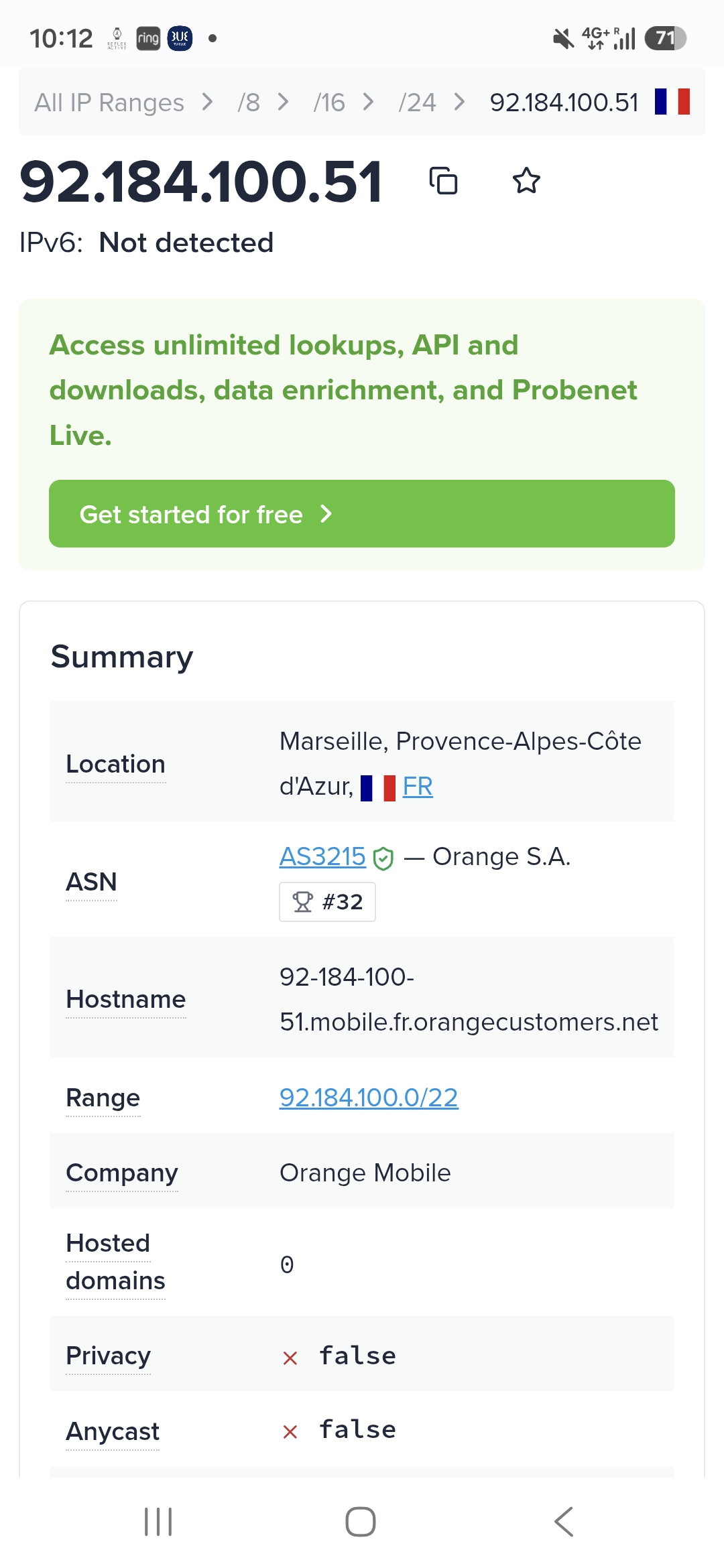
Because this is a French SIM roaming in Egypt rather than a local Egyptian SIM, your traffic tunnels back to Orange’s network in France before hitting the internet. That means Egyptian network-level filtering doesn’t apply in the same way — by the time your traffic touches the local network it’s already encrypted and heading home. Your IP address shows as France throughout, which I confirmed with an IP lookup showing Orange S.A. in Marseille.
Before the trip I couldn’t find much real-world experience on this, just theory. In practice, apps and services that are blocked or restricted via Egyptian infrastructure worked without any extra steps.
Do you still need a VPN?
Home routing takes care of local filtering, but Orange France can still see your traffic. If you just want things to work normally without worrying about local restrictions, the eSIM alone covers it. If you want full end-to-end privacy, a VPN on top still makes sense.
I tested Mullvad, IVPN and Proton VPN. Mullvad and IVPN both connected but were noticeably slow. Proton was the quickest of the three by some margin. Proton’s Stealth protocol worked well, including on hotel wifi where standard VPN connections often get blocked.
If you’re heading to Sharm and want an eSIM that works without much thought, this one did the job.